
India is a destination that consistently captures the global imagination, offering an unparalleled blend of ancient heritage and rapid modern innovation. From the iconic silhouette of the Taj Mahal to the bustling tech corridors of Bengaluru and the tranquil backwaters of Kerala, the subcontinent provides an experience for every type of traveler. As international travel becomes more interconnected, the Indian government has prioritized digital infrastructure to make its borders more accessible through a streamlined electronic visa system.
The Digital Gateway to the Subcontinent
The traditional days of visiting a consulate and waiting weeks for a passport stamp are largely over. The Electronic Travel Authorization (ETA), commonly known as the e-Visa, allows visitors to secure their entry permits from the comfort of their homes. This shift is particularly beneficial for travelers from North Africa who are looking to India for business, spiritual exploration, or leisure.
For those traveling from the “Kingdom of the West,” the process is now highly efficient. Obtaining an INDIAN VISA FOR MOROCCAN CITIZENS is an entirely online endeavor, requiring only a digital scan of the passport bio-page and a recent photograph. Whether the goal is to explore the shared architectural influences between Morocco and India or to attend a corporate summit in Mumbai, the e-Visa provides a fast and reliable pathway. Most applications are processed within a few business days, with the approved visa sent directly to the applicant’s email.
Ensuring a Successful Application
While the digital system is designed for ease of use, the accuracy of the information provided is paramount. The most common cause of processing delays or rejections is the submission of incorrect or low-quality digital files. Applicants must pay close attention to the specific requirements for photograph dimensions and passport clarity to ensure their application moves through the system without friction.
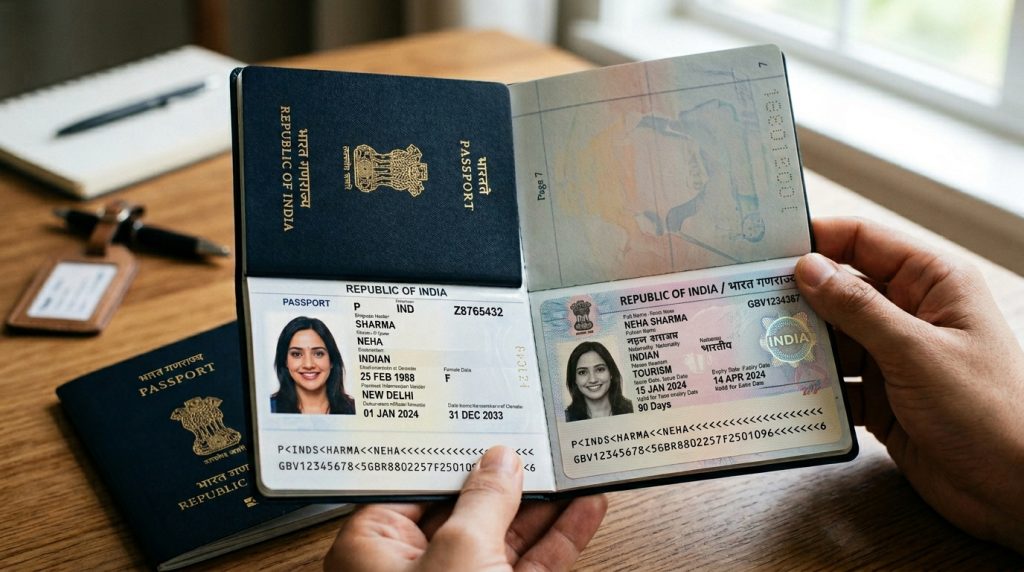
Understanding the nuances of INDIAN VISA DOCUMENTATION is the best way to avoid common pitfalls. For instance, the passport must have at least six months of validity from the date of arrival and contain at least two blank pages for the immigration officer’s stamps. Additionally, the digital photograph must show the full face against a white background without shadows or spectacles. By double-checking these details before clicking “submit,” travelers can ensure their electronic authorization is granted promptly, allowing them to focus entirely on their upcoming adventure.
Preparing for Your Arrival
Once your electronic visa is in hand, the transition into the country is designed to be seamless. Upon arrival at one of India’s designated international airports or major seaports, travelers simply present their printed ETA. At this stage, biometric data, including fingerprints and a facial photograph, is captured by immigration officials to complete the entry process.
India remains a destination that rewards the well-prepared. By leveraging the modern electronic visa system and ensuring all paperwork is in perfect order, visitors can bypass administrative hurdles. Whether you are exploring the vibrant spice markets of Old Delhi or seeking rejuvenation in a Himalayan retreat, a smooth start to your journey sets the tone for an unforgettable experience in one of the world’s most fascinating civilizations.
