
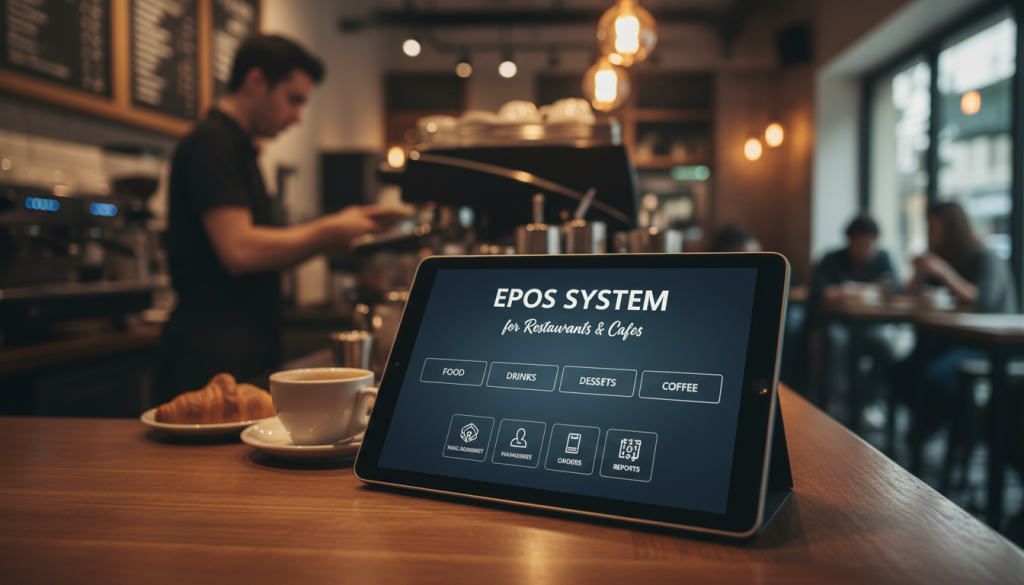
The UK hospitality sector has always been a landscape defined by resilience and innovation. From the gastropubs of the Cotswolds to the fast-paced eateries of Manchester and London, the industry is undergoing a digital renaissance. At the center of this shift is a move away from traditional cash registers toward a sophisticated restaurant EPOS system UK business owners are using to reclaim their time and protect their margins.
In an era where labor costs are rising and consumer expectations for speed are at an all-time high, the technology behind the counter is no longer just about processing payments—it is about orchestrating an entire experience.
The Shift Toward Integrated Intelligence
For years, many independent UK restaurants operated with fragmented systems. One tablet for delivery apps, a separate terminal for card payments, and perhaps a legacy till for walk-ins. This “patchwork” approach is the primary cause of administrative fatigue.
Modern platforms, such as those provided by CubePOS, solve this by acting as a central nervous system. When we talk about a high-quality POS system, we are talking about a tool that bridges the gap between the front-of-house staff and the kitchen, ensuring that data flows as smoothly as the service itself.
Why UK Restaurants are Prioritizing Localized EPOS Solutions
Choosing a restaurant EPOS system UK operators can trust involves looking for features that cater specifically to the British market. This includes everything from seamless integration with local merchant service providers to handling complex VAT requirements and “Service Charge” distributions.
1. Precision in Table Management
Efficiency is won or lost on the floor. A professional EPOS allows servers to take orders directly at the table using handheld devices. This information is beamed instantly to the kitchen, cutting down the “order-to-plate” time significantly. For the customer, this means faster service; for the owner, it means higher table turnover and increased revenue.
2. Inventory and Wastage Control
In the current economic climate, every gram of ingredient counts. High-end systems allow for real-time inventory tracking. When a steak is sold, the system automatically deducts that portion from the digital pantry. This level of granularity helps managers identify wastage trends, optimize their ordering with suppliers, and ultimately improve the bottom line.
3. Data-Driven Decision Making
The modern restaurateur is no longer guessing. With advanced reporting, you can identify exactly which menu items are your “stars” (high profit, high popularity) and which are “dogs” (low profit, low popularity). Having this data at your fingertips during a monthly review allows for agile menu engineering that can transform a struggling shift into a profitable one.
Enhancing the Guest Journey
There is a common misconception that introducing more technology into a restaurant makes the atmosphere “cold” or “corporate.” In reality, the opposite is true. When a waiter isn’t stuck at a stationary till punching in a long list of drinks, they are free to engage with the guests.
By utilizing a professional restaurant EPOS system UK staff find intuitive, the technology fades into the background. The payment process becomes a 10-second interaction rather than a 5-minute ordeal of finding a card machine and printing multiple receipts. This “invisible technology” is what separates a good dining experience from a great one.
The Future of British Hospitality
As we move further into the decade, the integration of online ordering, loyalty programs, and staff management into a single interface will become the baseline requirement. Establishments that continue to rely on outdated hardware risk falling behind competitors who can offer more personalized and efficient service.
For those looking to upgrade their infrastructure, visiting cubepos.co.uk offers a glimpse into how specialized hardware and software can be tailored to the unique pulse of a busy kitchen.
Investing in the right technology isn’t just an expense—it is a commitment to the longevity of the business. By choosing a system designed for the specific rigors of the UK market, restaurant owners can focus on what they do best: providing incredible food and unforgettable hospitality.
